

A Conversation with Dee Preston-Dillon, PhD
How can symbols help us unlock what words cannot? As we prepare for our new upcoming virtual training, Externalizing Implicit Bias: Engaging Empowering Symbols, we sat down with faculty member Dr. Dee Preston-Dillon to discuss the power of experiential therapy, the nuances of implicit bias, and how clinicians can use empowering symbols to foster deeper healing. Here is what she had to share:
The Ferentz Institute: The "Why" Behind Symbols: In your workshop description, you mention that bias becomes "locked in the body." In layman's terms, why is a physical symbol (like an object or image) often a better key for unlocking that bias than just talking about it?
Dr. Preston-Dillon: Early on we react to trauma, shame and grief, we keep what works and our perceptions, attitudes, behaviors, and emotions become a foundation for how we defend and protect ourselves throughout life. This foundation slips down into early memory, no longer conscious. Trauma, grief, shame, and injunctions against existential survival become embedded in the body.
Defense against perceived threat, real and invented, is visceral. Language has limited access to this deeper experience. In therapy, direct engagement can be an existential threat. We must address trauma and shame with safety, careful pacing, and in ways that respect the complex weave of mind-body-emotion. Symbols and metaphor make this connection.
Symbols, once we project meaning onto objects, represent experience that is not conscious. Symbols are not a direct hit on our rational defense; they reach far back into our primitive brain. When engaged with metaphors, symbols expand meaning to a fuller sense of one’s experience. They help us process in depth, validate and reframe wounding. From a narrative perspective, symbols hold images, stories, and emotions from our earliest experience, and with aging, collective life trauma. We must learn how to engage with symbols to reach this depth with safety.
TFI: The Connection to Loss: Many people think of implicit bias as a social or political issue. How does viewing it through the lens of trauma and grief change how a therapist approaches a client?
DPD: Everything is political if we look at the roots of the word. It is about power. When a child feels powerless and threatened, they learn ways to survive, or they die. There is mortality, and there is internal death, despair that lives on, finding ways to keep some part of the self alive. So, in a way all existential experiences are about mortality, meaning and power directed by bias.
Implicit bias contains judgments, attitudes, perception, and emotions associated with a threat. When triggered, we may respond to a perceived threat with escalation of emotion, severing and separation, small internal deaths, denial of connection, denial of authentic self, denial of truth, clinging to original constructions of meaning and impulses to survive. When negative, our innate fear of death may initiate self-protection with dangerous, demoralizing, diminishing, marginalizing, hateful, raging, or more subtle, manipulative ways to alienate and oppress others.
Our therapeutic response is a way to reduce violence and disdain held within, by externalizing distorted perceptions and threats, hurting oneself, and projected onto others. This projection entails implicit bias.
In terms of society and culture, an individual desperately needs connection; hence we turn to the collective for support, we seek protection and power to counter imagined and real threats and at its core, death. We seek alignment with similar perceptions held by others.
When we work through the lens of trauma and grief, we have an opportunity to work with the original danger to the self, the suffering within. When we understand the origin of an existential threat, and dysfunctional responses, we have an opportunity to work with the wounds that required the dangerous beliefs.

TFI: The "I-Thou" Moment: You mention using Martin Buber’s "I-Thou" dialogues. What is one thing a clinician can say or do to help a client move from a place of "shame" about their bias to a place of "truth”?
DPD: Buber’s I-Thou dialogue is engagement with respect, authenticity, and a perception of the other as a unique, whole being. We counter objectification. We process towards a mutual honor of the integrity of the I and the Thou.
Implicit bias is an objectification of the other. In therapy we work on implicit bias as an aspect of self that suffers within. Instead of objectifying parts of the self and others, we turn to honor the integrity of the wounded one within. We work to understand fear, the method to defend, and how this sabotages personal and cultural integrity.
The process might include an empty chair gestalt approach, a dialogue with one’s younger self offering deep empathy, validation, and a way forward. Or a confrontation with the perceived threat (person or incident). Dialogues can engage parts of the self, those considered the Other, a valued part of cultural identity, even historical moments.
A dialogue can also be among “three” - the therapist, client, and imagined self in the chair. The therapist acts as an echo and amplifier of helpful deeper empathy, validation, and reframe. Or a client could bring in photographs of themselves and work with the therapist to give voice to those in the photo, opening conversations with the Self and Others. Another approach is the use of objects/symbols, finding voice of wisdom, distress, needs “spoken” by the symbol. Another approach is when the therapist takes on the role of Voice-in-dialogue and models a conversation with the image, or person-in-the-chair, or object. Say for example with the abusive parent or partner, speaking with empathy, strength and empowering and defending the wounded child who is in the role of witness.
TFI: The Integration of Theory: You blend several powerful frameworks in your work—Narrative, Gestalt, and Existential therapies. For a clinician who feels "stuck" using only one modality, how does integrating these different perspectives help them stay more present and effective when a client is navigating deep-seated bias or trauma?
DPD: Being present is never one-dimensional. We must have a way to be truly present, to consider the therapist’s different ways of being, and the client’s different ways of being. For example, we function from an array of experiences, needs and perceptions at any moment -- unconscious, stored and distorted early memories, emotions, assumptions about authority, gender, power dynamics, culture and social norms, professional stance about the role of the therapist and client, personal experience relevant to the problem, perception and intuitions, the dictates of therapeutic modalities, and instinct in the moment. Many layers.
Clients and therapists bring the complexity of lived experience, including bias. We might ask, where are the stuck places within, for therapists and for clients? How might a therapist frame client experience, reach the layers of experience happening in the moment? How do we stop assumptions about the problem and its “solution” and locate wounds that may precipitate, trigger wounding? How do we build a wider lens to comprehend and respond to the client? How do we move out of a comfort zone in therapy approaches and question why we keep a narrow lens? We must have a variety of approaches. When we immerse ourselves in diverse approaches we practice and experience vulnerability and strengths, we develop a capacity to see more, and hear more, and respond to more relevant aspects of therapeutic process.
TFI: A Simple Takeaway: If a participant walks away from your session with only one new "tool" for their practice, what do you hope that tool is?
DPD: Practice dialogues without clients using mundane objects and imaginary scenarios. Converse and unpack what might be the implicit bias of movie and novel characters. Develop your imagination with color and voice tone and story and emotion.
Pause and give time and space and respect for your own internal process. Reflect on the implicit bias of family of origin and then try different approaches to discover one’s own internalized implicit bias -- draw, sing, write a poem, move – find the opposite, the darkness, the shadow and the light. Be curious, consider each bias on a continuum. Go beyond what seems possible.
Learn More and Register for Externalizing Implicit Bias: Engaging Empowering Symbols
Monday, March 16
Virtually on Zoom
Earn 6 Implicit Bias CEUs
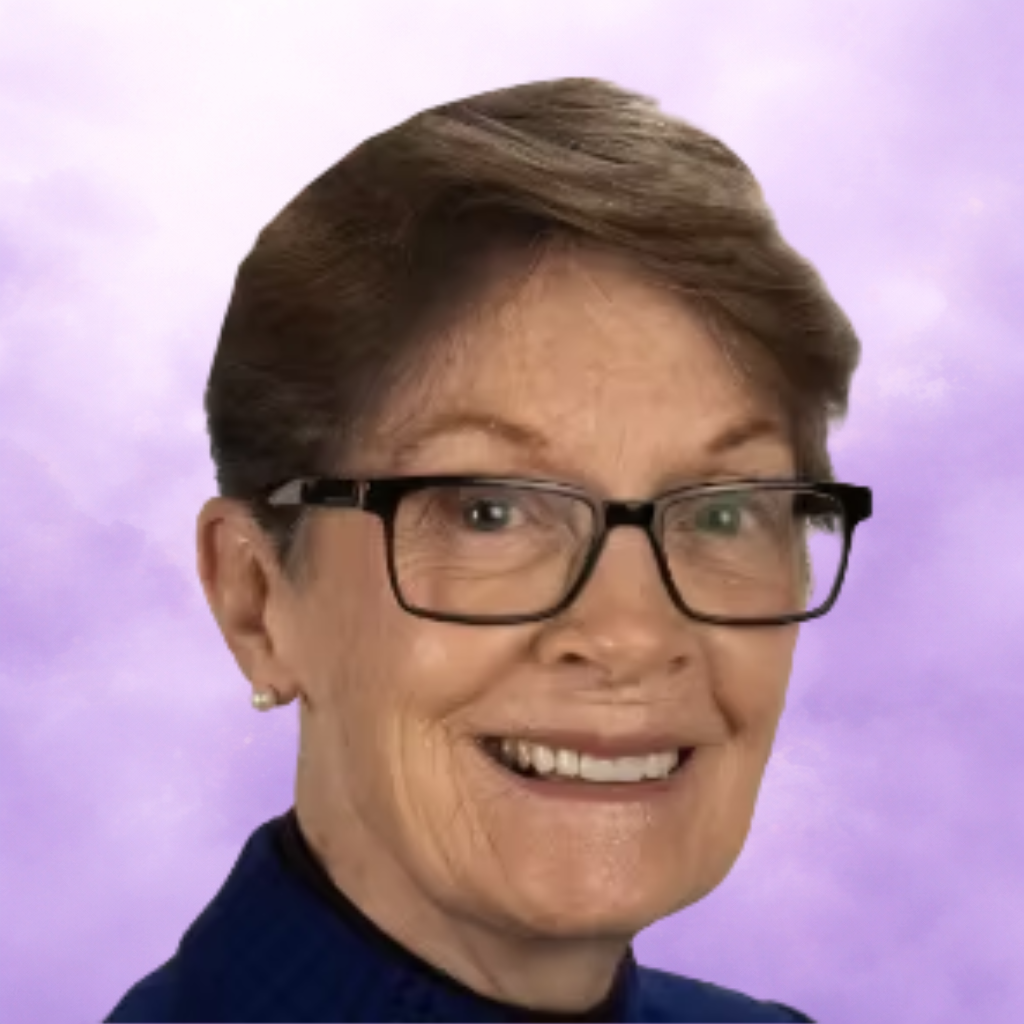
Dee Preston-Dillon, PhD, is the founder of The Sand Therapy Training Institute and the Center for Culture and Sandplay. With over 40 years of clinical practice and research, Dr. Dee is a pioneer in Narrative Sand Therapy©, an approach that bridges existential theory with the profound power of symbols. A longtime faculty member at The Ferentz Institute, she is dedicated to helping clinicians move beyond traditional talk therapy by activating the therapist’s imagination and deepening the healing process through metaphor and sensory engagement.