

Infidelity can deeply disrupt a relationship, leaving couples struggling with broken trust, anger, and uncertainty about the future. In this Q&A, Shlomo Slatkin, Certified Imago Relationship Therapist and co-founder of The Marriage Restoration Project, shares his perspective on understanding the dynamics behind affairs, helping couples navigate the aftermath of betrayal, and beginning the process of making amends and rebuilding trust.
1. Understanding the Context Behind Infidelity
Q: Infidelity can be one of the most painful and destabilizing experiences a couple faces. From your perspective, what are some of the factors that can contribute to an affair, and how can therapists explore those factors without minimizing the betrayal or excusing the behavior?
Shlomo: While there is never an excuse for betraying a partner, there is often a context that creates an environment in which an affair becomes more likely. When couples don't feel safe in their relationship and lack the tools to work through their challenges, they may find ways to disengage from the relationship. An affair is a catastrophic form of disengagement, but there are many other ways couples divert their energy from their relationship.
Understanding the breakdown of the relationship can help therapists identify what destabilized it and what needs to be repaired so that the relationship is less vulnerable to a similar breach in the future.
2. Creating Safety in the Wake of Betrayal
Q: When a couple comes to therapy in the aftermath of an affair, emotions can be intense, trust may be shattered, and conversations can quickly become volatile. What should therapists prioritize in the early stages of treatment to help couples begin navigating this crisis?
Shlomo: Creating a safe environment is essential. The betrayed partner is likely to feel intense anger and may become volatile. Although maintaining a sense of calm can be challenging, therapists can help by establishing a structured setting in which the couple can process what happened. This includes creating opportunities for each partner to express their feelings and feel heard, validated, and understood.
3. Exploring Relationship Patterns Without Assigning Blame
Q: You emphasize looking beyond the affair itself to understand the underlying relationship dynamics. How can therapists help couples explore patterns that may have contributed to the relationship's difficulties while ensuring that responsibility for the affair remains with the partner who chose to engage in it?
Shlomo: One way to navigate this challenge is to understand that relationship triggers are often rooted in our own perceptions. For example, if the partner who had the affair claims they were ignored and sought attention elsewhere, there may be a kernel of truth to that perception. However, it may also be largely influenced by their own personal baggage and past experiences.
Exploring this feeling can help the partner who had the affair understand where it may be coming from. Moving forward, it may also be helpful for both partners to be more mindful and sensitive to what the other is experiencing. The goal is not to blame either spouse, but to understand how each perceives what was lacking in the relationship and how those perceptions may be rooted in their own personal baggage.
4. Making Amends and Rebuilding Trust
Q: Making amends involves more than apologizing or promising that an affair won't happen again. What does a meaningful amends process look like, and how can therapists help the partner who was unfaithful demonstrate genuine accountability and begin rebuilding trust?
Shlomo: Making amends is more than just saying sorry. It is a process in which the therapist helps the unfaithful partner demonstrate genuine remorse and understanding of the betrayal. It is also a process of rebuilding trust through consistent behavioral change over time.
5. Turning Betrayal into an Opportunity for Growth
Q: Many couples and therapists may wonder whether a relationship can truly recover from infidelity. What signs suggest that a couple is making meaningful progress, and how can therapists help them use this painful experience as an opportunity to build a healthier, more connected relationship?
Shlomo: As devastating as an affair can be, it also presents an opportunity to build a new and improved relationship. Couples can use this work to understand what was lacking in their relationship and what they can do to create a healthier relationship moving forward.
Signs of progress include less anger and volatility, greater peace of mind for the betrayed partner, and increased commitment, accountability, and transparency from the unfaithful partner.
Helping couples heal after infidelity requires more than an apology. In my workshop, How to Work with Affairs: Navigating the Amends Process, I explore how therapists can help couples navigate the amends process and begin rebuilding trust through accountability, transparency, and meaningful behavioral change.
How to Work with Affairs: Navigating the Amends Process
Tuesday, November 10
Virtual on Zoom
Earn 3 CEUs
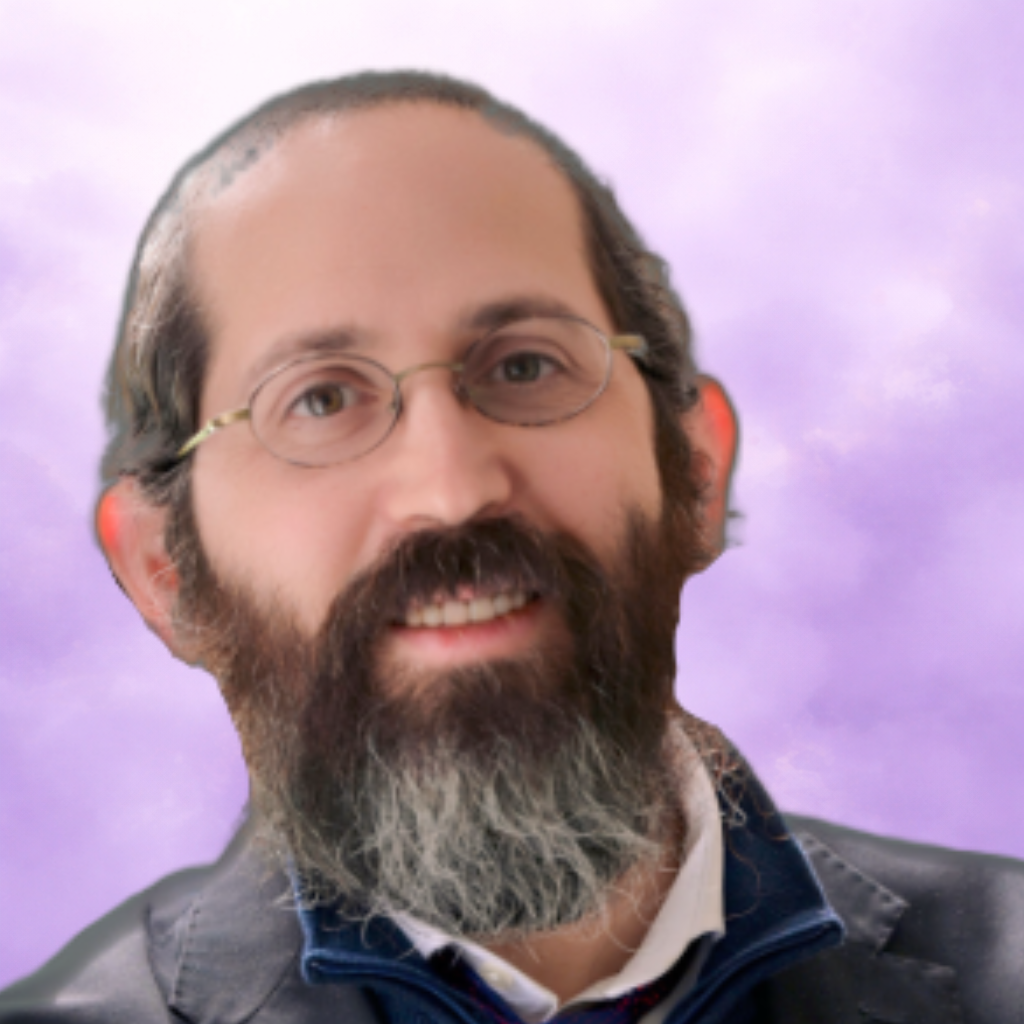
Rabbi Shlomo Slatkin, MS, LCPC, is a Certified Imago Relationship Therapist (Advanced Clinician), Certified Imago Workshop Presenter, and Faculty Associate of the Imago International Training Institute. Along with his wife, Rivka, he co-founded The Marriage Restoration Project, a global initiative dedicated to helping couples strengthen their relationships and build lasting, fulfilling marriages.