

I’ve been treating people with OCD for close to 30 years. My interest in it came from having OCD when it was considered an untreatable disorder. I didn’t know that I had OCD, only that I thought I was crazy. I washed my hands constantly, did all kinds of rituals, and obsessed over things that had no real importance in my life. When I was about 22, I went to a therapist whom people raved about. When I told her some of the things that I did, she said, “Just stop doing them.” I remember thinking that if I could do that, I would have. When I was about 30, I happened upon a therapist after a breakup who diagnosed me with OCD, got me to go on Prozac (It had just come into the country), and did Exposure/Response Prevention with me. She was one of only two therapists in the area who had trained to treat OCD. The treatment was difficult, but it was like a miracle to me. Within 5 weeks, my obsessions had dramatically decreased, and my other rituals had stopped.
When I went into private practice 8 years later, I began to treat others with this disorder. I had a passion for it since there were so few therapists who understood the disorder and so many people who needed help. I met with the director of the anxiety disorders clinic at Medical College of Virginia (now VCU Medical) weekly for supervision and read everything I could get my hands on.
The Crux of OCD Treatment: Why ERP is Different
When a person learns that they can sit with anxiety, it will eventually go down on its own with no negative consequences, they can let go of the ritual.
Treating people with OCD is different than treating any other disorder. As therapists, we like our clients to feel better when they come to see us. Treating OCD means that we’re asking our clients to go headfirst into the things they’re most afraid of, feel the high anxiety, and stay there until the anxiety habituates and starts to go down on its own. Then we ask them to do it again every day until our next appointment. To most therapists, it feels cruel and counterintuitive. I know that I don’t treat my other clients this way. People who neurobiologically have a predisposition to this disorder don’t understand that anxiety can only stay high for so long until it goes down on its own. The person with OCD has a thought that their brain determines is dangerous, their anxiety goes up, and then they do a ritual they’ve developed to make the anxiety go down. They typically repeat the ritual until it “feels right.” That’s how they know it’s ok to stop. Rituals come in all shapes and sizes, and rarely have anything to do with obsessive thought. When a person learns that they can sit with anxiety, it will eventually go down on its own with no negative consequences, they can let go of the ritual. This is a big relief since OCD can take up hours/day.
It’s important to know that exposure assignments are carefully crafted and that the client must agree to them before leaving the session. If they don’t feel like they can do it, then we come up with a different assignment. No one is ever forced to do anything. It’s a team effort.
The Power of Exposure: A Client Example
One example is a client I had who had a variety of rituals she believed she needed to do to pass a major exam for her profession. Although this was magical thinking, she still had to face what she feared, as her rituals took up much of her time. Talking about this rationally doesn’t typically work because OCD is never rational. Some of her assignments included:
- Touching the bottom of a door at work instead of the top (she was tall) whenever she went through a door.
- Leaving her office chair askew
- Turning the lights on in a different order than she believed she had to.
- Allowing her neatly lined-up shoes and cups (handles facing right) to remain out of order or askew.
She was afraid to have others to her house for dinner because if she cooked for them, she might poison them. Her graduation exposure was to have a small dinner party, turn the cups and dishes askew in her cabinets, put her shoes out of the closet in a messy way, leave some of her clothes on a chair instead of hanging them up, and then bring her guests on a tour of her apartment without apologizing for the mess. She did all of this, passed her exam that she had failed by 1 point before, and no longer did rituals.
While OCD is a formidable opponent, it is not an unbeatable one. By shifting our focus from the content of rituals to the underlying neurobiology and the power of ERP, we can help our clients move from a life of fear to one of freedom. I am honored to share both my clinical insights and personal journey with this community, and hope these tools provide a roadmap for your own practice.
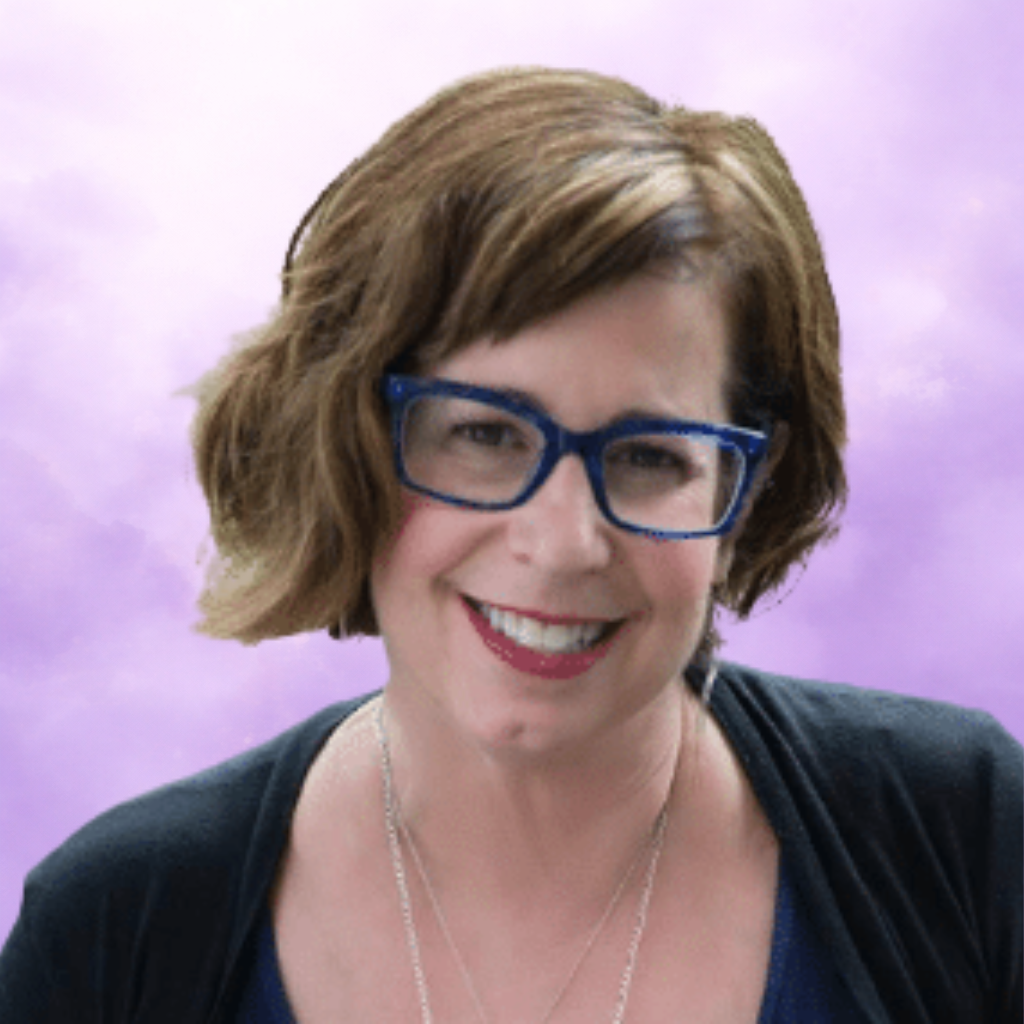
Susan Osofsky, LCSW, is a seasoned clinical social worker with a private practice in Richmond, Virginia, specializing in the treatment of OCD and Anxiety Disorders. With nearly 30 years of clinical experience, Susan brings a unique and compassionate perspective to her work, having successfully navigated her own personal journey with OCD. This lived experience, combined with her extensive training in Exposure/Response Prevention (ERP), fuels her passion for helping clients face their fears and reclaim their lives. As a dedicated faculty member at The Ferentz Institute, she is committed to equipping fellow clinicians with the specialized tools and neurobiological understanding necessary to treat OCD effectively and ethically.